
Cart
0
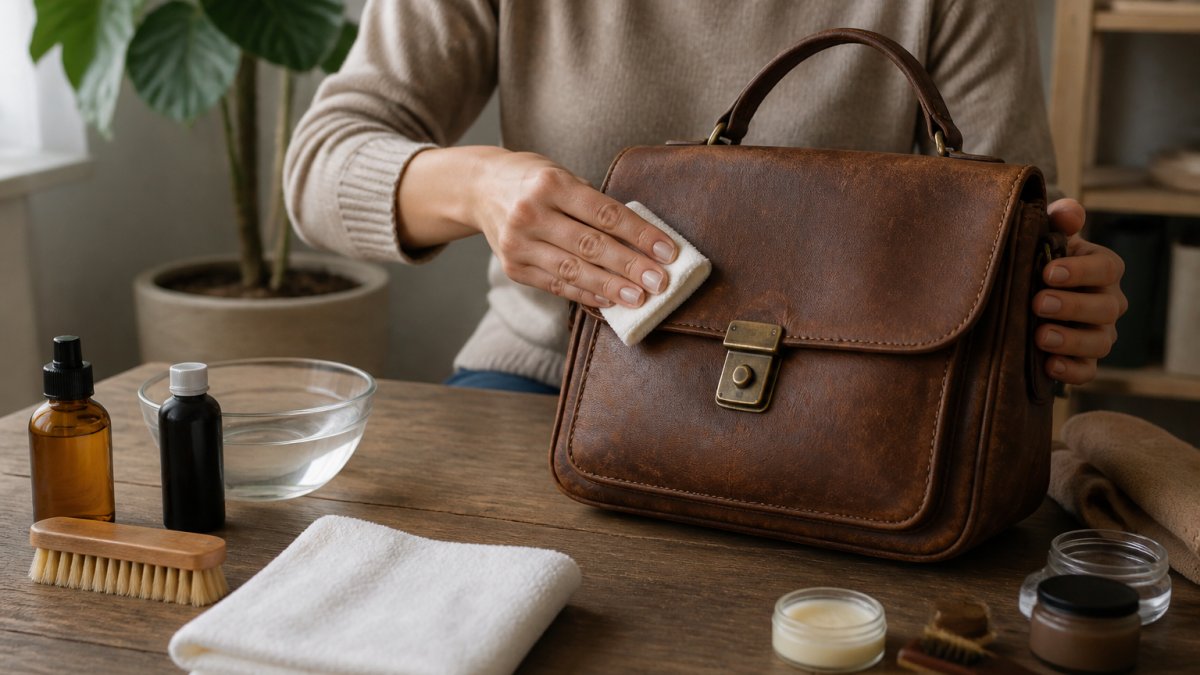
Table of Contents
- Inspect Your Vintage Leather Bag Before Cleaning
- Remove Surface Dust and Debris
- Choose the Best Leather Cleaner for Bags
- Clean Your Vintage Leather Bag Safely
- How to Remove Stains from Leather Bags
- How to Condition a Vintage Leather Bag
- How to Clean a Leather Bag Lining and Hardware
- Air Dry and Store Your Vintage Leather Bag
- Frequently Asked Questions
Last Updated: October 5, 2026
Inspect Your Vintage Leather Bag Before Cleaning
Before you reach for any cleaning product, take time to understand what you're working with. Every clean vintage leather bags tells a different story, and that story matters when deciding how to clean it safely.
Identify the leather type and finish
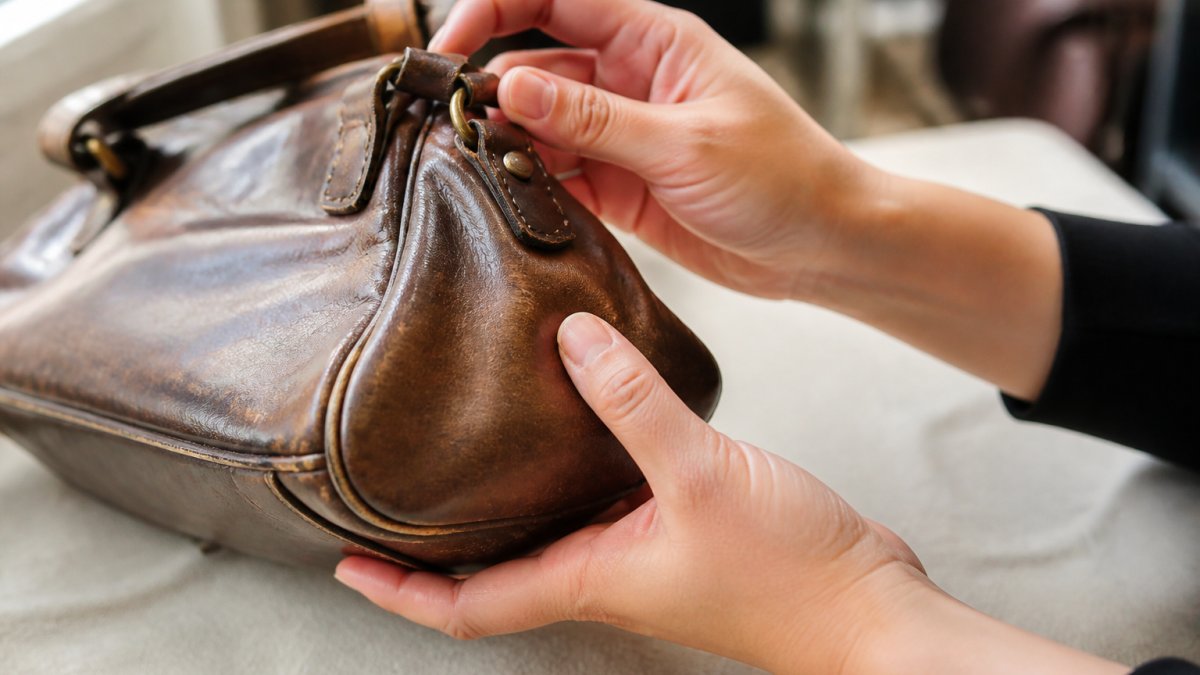
The leather in your vintage bag could be full-grain, top-grain, suede, nubuck, or a specialty finish. Each reacts differently to water and cleaning products. Run your fingers across the surface. Does it feel smooth and polished, or soft and velvety? A glossy finish suggests treated leather.
Look at the leather closely under good light. Vintage leather often has a patina, a natural darkening and softening that happens over decades. This patina is part of the bag's character and value.
Check the maker's label or any documentation. Chanel, Louis Vuitton, Gucci, and Dior each used specific leather types and finishes in different eras. If you own a piece from Maison Sac A Main's collection, like the Chanel Matelassé Boy Chanel 25 in lambskin, you're working with premium materials that demand gentle care.


Check for colorfastness and fragility
Before cleaning, test whether the leather's color will bleed or transfer. This is non-negotiable.
Find an inconspicuous area, the interior lining, a seam, or the underside of a handle. Dampen a white cloth with plain water and gently rub the leather. Watch for color transfer onto the cloth.
For dyed vintage leather, especially reds, blues, and blacks, colorfastness testing is essential. Some older bags used dyes that weren't set as well as modern methods. A simple water test prevents disaster.
Also assess fragility. Vintage leather that's been stored in dry conditions for decades can become brittle.
Watch Out
If your colorfastness test shows significant color transfer, stop. Water-based cleaning will cause permanent discoloration. Seek a professional leather conservator instead.
Remove Surface Dust and Debris
Start here, always. Most of the visible dirt on a vintage leather bag is surface dust and debris that can be removed without any liquid.
Use a soft, dry brush or a lint-free microfiber cloth.
For stubborn dust in crevices, use a soft-bristled toothbrush or a dedicated leather brush. Apply minimal pressure. You're not scrubbing, you're coaxing dust away.
This dry step is crucial because it removes particles that could scratch the leather when you introduce moisture.
Pay special attention to the interior. Vintage bag linings trap dust and debris over years.
Choose the Best Leather Cleaner for Bags
Not all cleaners are safe for vintage leather. The wrong product can strip natural oils, cause discoloration, or leave residue that attracts more dirt.
Mild cleaner options that are leather-safe
The safest approach uses minimal ingredients. Plain distilled water mixed with a tiny amount of mild soap is your baseline. Castile soap, baby shampoo, or a dedicated leather cleaner formulated for delicate hides all work.
Look for products labeled "pH-balanced" and "leather-safe." These are designed not to strip the natural oils that keep vintage leather supple. Many commercial leather cleaners work, but read the label carefully.
A common approach among leather conservators is using saddle soap, which cleans and conditions in one step. It's gentle and adds back moisture that aged leather has lost.
Pro Tip
Mix your own gentle cleaner: one part castile soap to ten parts distilled water. This gives you control over strength and costs pennies. Test it on the interior first.
What not to use on vintage leather
Never use bleach, alcohol-based cleaners, acetone, or harsh degreasers. These strip color and damage the leather's structure. Avoid products with silicone, which creates buildup over time. Skip furniture polish and shoe polish, they're too heavy for bag leather.
Don't use vinegar or lemon juice, even though they're popular in DIY cleaning guides. The acidity can damage vintage leather finishes. Bar soaps and detergents meant for dishes or laundry are too strong.
Avoid "all-purpose" cleaners. They're formulated for hard surfaces, not delicate leather. The same goes for baby wipes and furniture wipes, they contain ingredients that aren't safe for aged leather.
Clean Your Vintage Leather Bag Safely
Now you're ready to clean. This is where patience matters more than pressure.
Prepare a diluted cleaning solution
Use distilled water, not tap water. Tap water contains minerals that can leave spots on leather. Mix your chosen mild cleaner into distilled water at a ratio of 1:10 (one part cleaner to ten parts water). Start weak. You can always make it stronger if needed.
Pour the solution into a bowl. You want enough to dampen a cloth, not soak it. Excess liquid is the enemy of vintage leather.
Test on an inconspicuous area first
Before touching the visible surfaces, test your solution on the interior lining, an inside seam, or the underside of a handle. Dampen your cloth, wring it thoroughly so it's barely damp, and gently rub a small area. Wait 10 minutes. Look for discoloration, sticky residue, or any negative reaction.
If the test area looks fine and the leather feels the same, you're ready to proceed.
Wipe with a soft, damp cloth
Use a white cloth or microfiber cloth. White shows you what you're removing and prevents color transfer from dyed cloths.
Gently wipe the leather in circular motions. Don't scrub. Let the solution do the work. For stubborn spots, make a second pass rather than applying pressure.
Work section by section. Wipe the exterior, then the handles, then the bottom. After cleaning each section, use a separate damp cloth with plain distilled water to rinse away any soap residue.
This process takes time. That's intentional. Rushing introduces too much moisture.
Key Takeaway
The goal is to clean, not to restore. Vintage leather should look clean but still show its age. If you're removing all patina and discoloration, you're being too aggressive.
How to Remove Stains from Leather Bags
Set-in stains are tougher than surface dirt. Your approach depends on what caused the stain.
Treat set-in stains and discoloration
For water stains, use the same diluted cleaner and damp cloth method. Some water stains fade with gentle cleaning and time as the leather dries.
Vintage Christian Dior Bowling Leather Handbag | Pre-Owned Luxury →
For ink or pen marks, a leather eraser (made specifically for this purpose) works gently. Rub lightly in one direction. Test on an inconspicuous area first.
For grease or oil stains, absorb fresh stains with a clean cloth.
For scuffs and marks, sometimes they fade with conditioning. Other times they're permanent. Accept that vintage leather carries its history. A small scuff on a 30-year-old bag is authentic, not a flaw.
Prevent color transfer and abrasion
When cleaning, always use white cloths. Colored cloths can transfer dye to the leather, especially if the leather is damp. This is irreversible.
Avoid rubbing the same spot repeatedly. Multiple passes with pressure can cause abrasion and lighten the leather. One or two gentle passes is enough.
If you're treating a stain on colored vintage leather, be aware that some stain-removal methods can cause discoloration. A professional conservator is worth the cost for valuable pieces or stubborn stains on rare leathers.
How to Condition a Vintage Leather Bag
After cleaning, vintage leather needs conditioning to restore moisture and flexibility. Aged leather loses natural oils over decades, which makes it brittle and prone to cracking.
Use a leather conditioner formulated for delicate or vintage leather. Mink oil, neatsfoot oil, or specialty leather conditioners all work.
Apply conditioner sparingly with a soft cloth. Rub it in using circular motions. Let it absorb for 15 minutes, then buff away any excess with a clean cloth.
Condition every 6 to 12 months, depending on how often you carry the bag and the climate where you store it. Dry climates require more frequent conditioning.
Best For
Vintage leather bags from luxury houses like Chanel, Gucci, and Dior benefit most from conditioning. These bags were made with premium leathers that respond beautifully to proper care and actually improve with age.
How to Clean a Leather Bag Lining and Hardware
The interior and hardware are often overlooked but essential to the bag's longevity and appearance.
Clean interior lining and seams
Vintage bag linings accumulate dust, debris, and sometimes odor. Use a soft brush or cloth to remove loose debris from the interior. For stubborn dirt in seams, a soft-bristled toothbrush works gently.
If the lining smells stale, place an open container of baking soda inside the bag overnight. The powder absorbs odors. Vacuum or brush out the powder the next day.
For stains on the lining, use the same diluted cleaner and damp cloth method as the exterior. Test first on a hidden area.
Never soak the interior. Excess moisture can damage the leather and the lining's structure. Keep everything barely damp.
Polish brass and metal hardware
Vintage hardware, clasps, rings, feet, and chains, deserves attention. Tarnished brass adds character, but you can polish it gently if you prefer shine.
For light tarnish, use a soft cloth and a tiny amount of metal polish made for brass or gold. Rub gently, then wipe clean with a damp cloth.
Never soak hardware in water or cleaning solutions. Water can cause corrosion. Keep polish away from the leather, it can stain or leave residue.
If hardware is severely corroded or broken, professional restoration is the answer.
Air Dry and Store Your Vintage Leather Bag
How you dry and store the bag after cleaning determines how long your work lasts.
Never use heat to dry leather. No hair dryers, radiators, or direct sunlight.
Drying takes 24 to 48 hours depending on humidity and how wet the leather got.
Once dry, store the bag in a cool, dry place.
Stuff the interior with acid-free tissue to maintain shape.
Temperature and humidity stability matter more than the specific temperature. A consistent 60-70°F and 30-50% humidity are ideal.
Cleaning vintage leather bags is about respect.
At Maison Sac A Main, we understand this philosophy. Every piece in our collection, from vintage Christian Dior bowling bags to authenticated Chanel Boy Flap Bags, represents craftsmanship and history worth protecting.

Start with gentle inspection, use mild leather-safe products, test before committing, and condition regularly.
Frequently Asked Questions
What should you not use on vintage leather bags?
Avoid harsh chemicals, bleach, acetone, alcohol-based products, and abrasive scrubbers that can damage the leather finish and cause cracking or peeling. Never use Murphy's oil soap or Dawn dish soap, these strip natural oils and leave residue. Steer clear of commercial furniture polish and silicone-based products. Stick to mild, leather-safe cleaners specifically formulated for delicate vintage pieces. When in doubt, test any product on an inconspicuous area first.
How do you clean stains from a vintage leather bag?
Start by identifying the stain type. For surface stains, use a soft cloth with a diluted mild cleaner solution. For set-in stains, apply the cleaning solution gently and let it sit for a few minutes before wiping. Blot rather than rub to avoid spreading. For water marks or light discoloration, a barely damp cloth may be enough. Always test the solution on a hidden area first. If the stain persists or the leather shows signs of damage, professional restoration is safer than continued home treatment.
Is it safe to clean a vintage leather bag at home, or should I use a professional?
Many routine cleanings are safe at home with the right approach: inspect first, use gentle methods, and test products. However, seek professional help for valuable pieces, rare finishes, deep set-in stains, odor issues, or any sign of leather damage like cracking or peeling. Vintage leather can be fragile, and a conservator or specialist has expertise in age-appropriate restoration techniques that home methods cannot match. When in doubt, prioritize the bag's long-term condition over DIY savings.
How do you clean the hardware and lining of a vintage leather bag?
For metal hardware, use a soft cloth or cotton swab with a gentle metal cleaner if tarnish is visible; avoid abrasive polishing. For brass, a tiny amount of brass cleaner applied carefully works well. Clean the interior lining with a barely damp cloth, never saturate it, as excess moisture can damage seams and leather. For odors, place crumpled newspaper or activated charcoal inside the bag overnight. Avoid spraying anything directly into the bag; apply cleaner to the cloth first, then wipe gently.


